


Bathroom and kitchen remodeling in Miami: what to expect
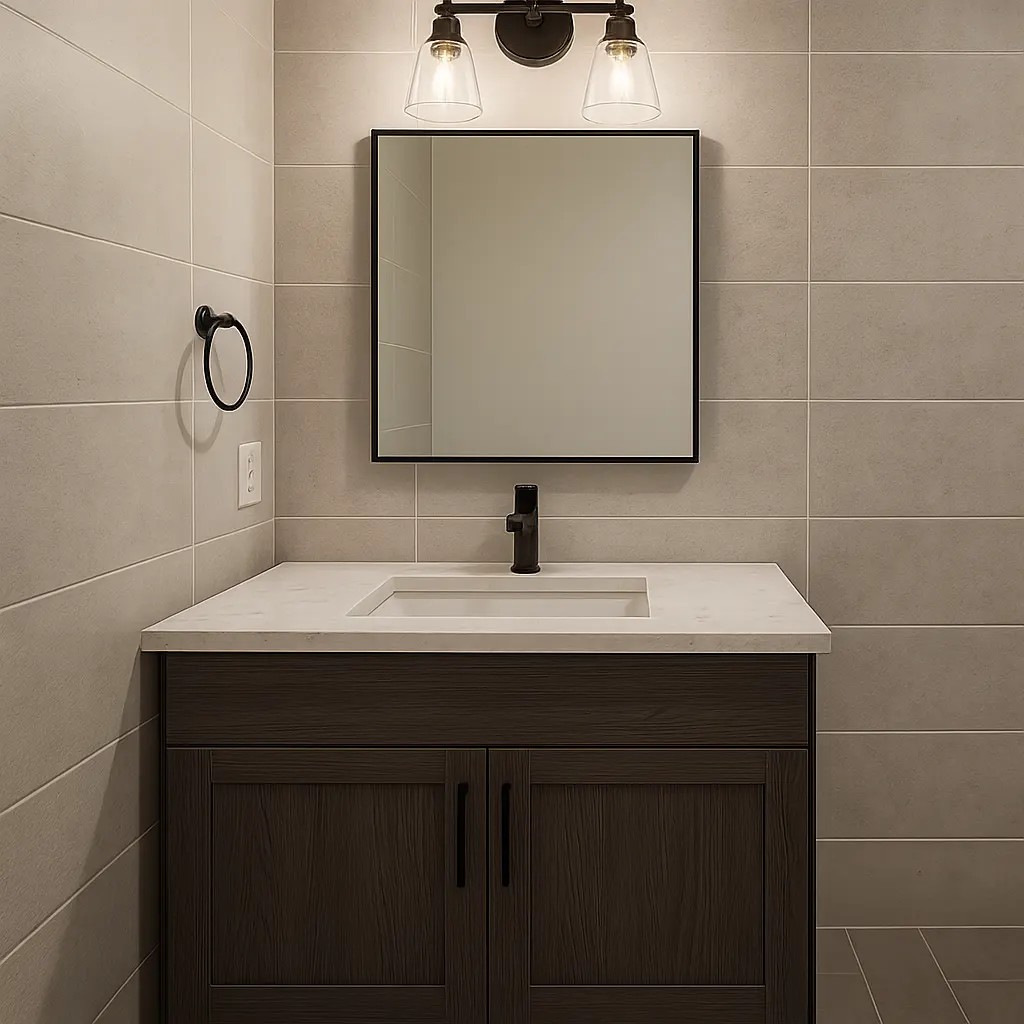
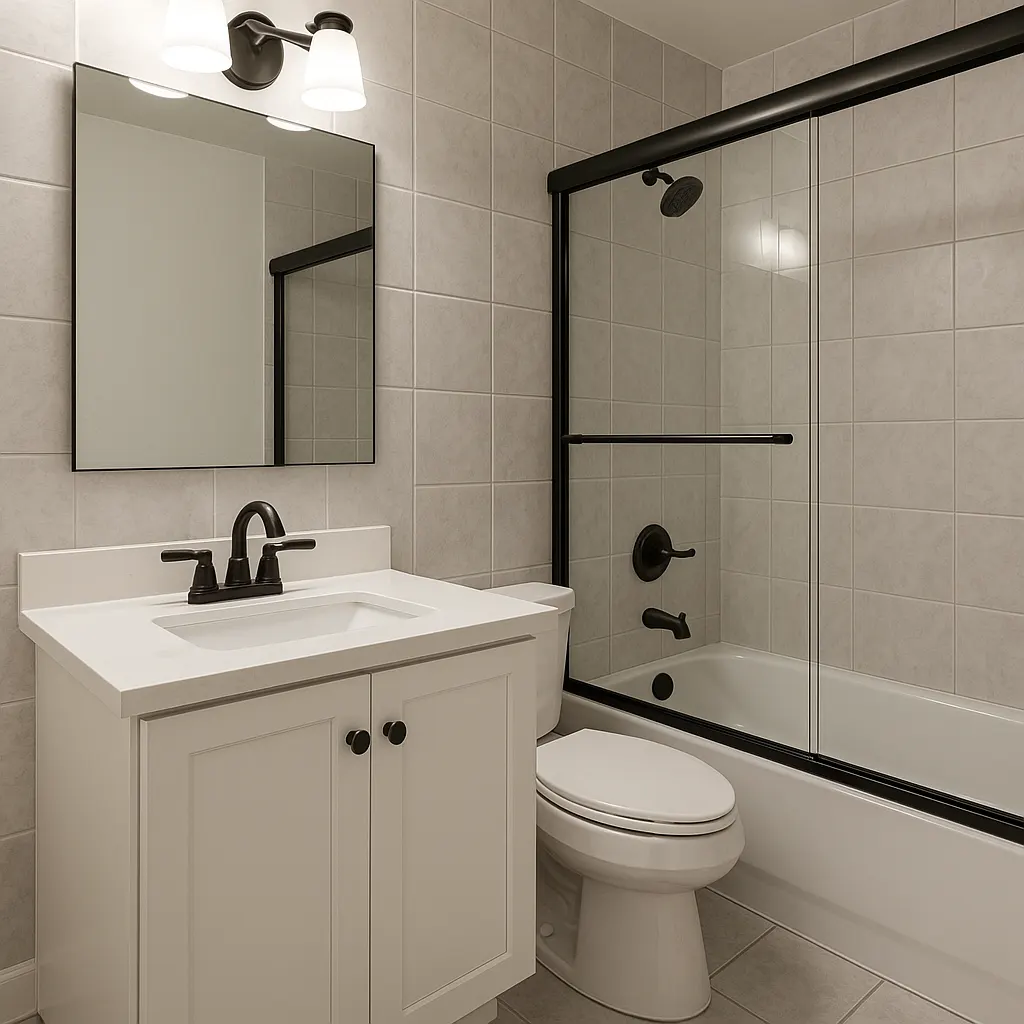
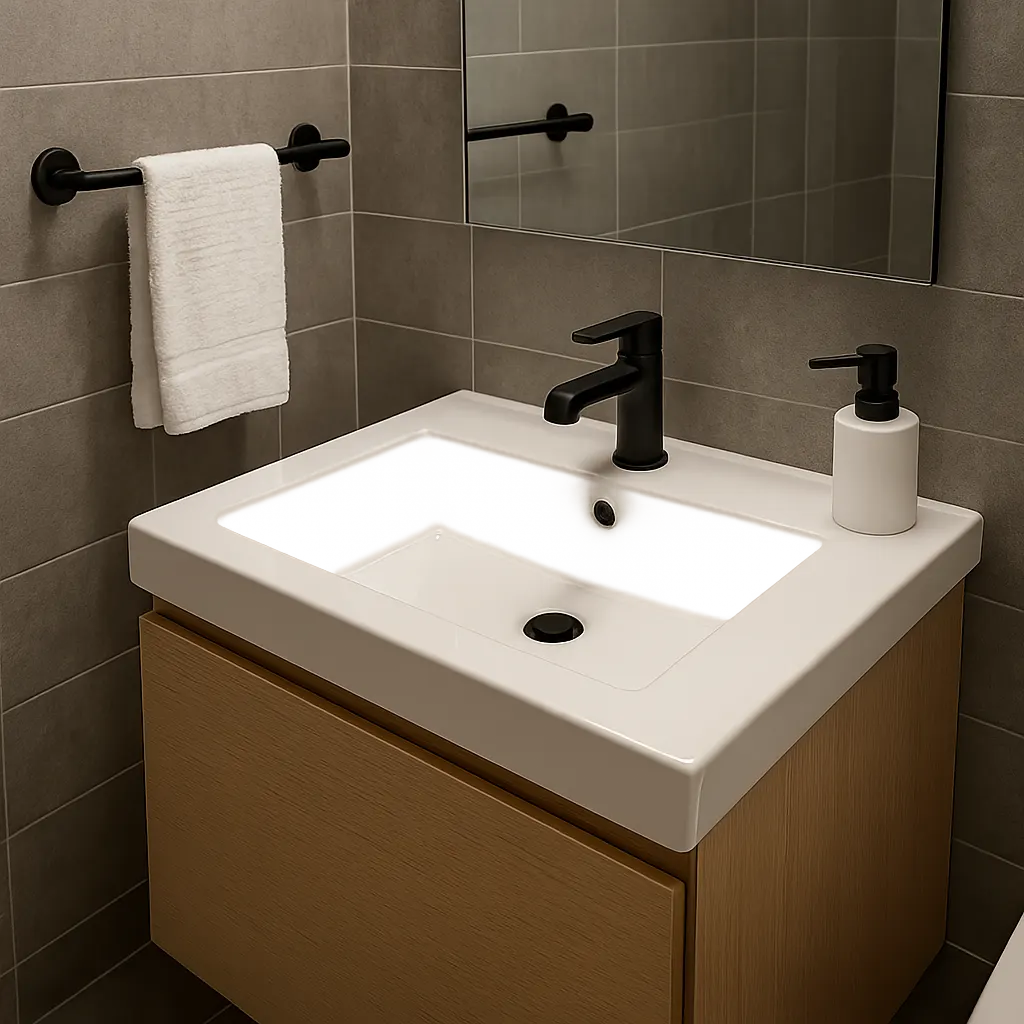
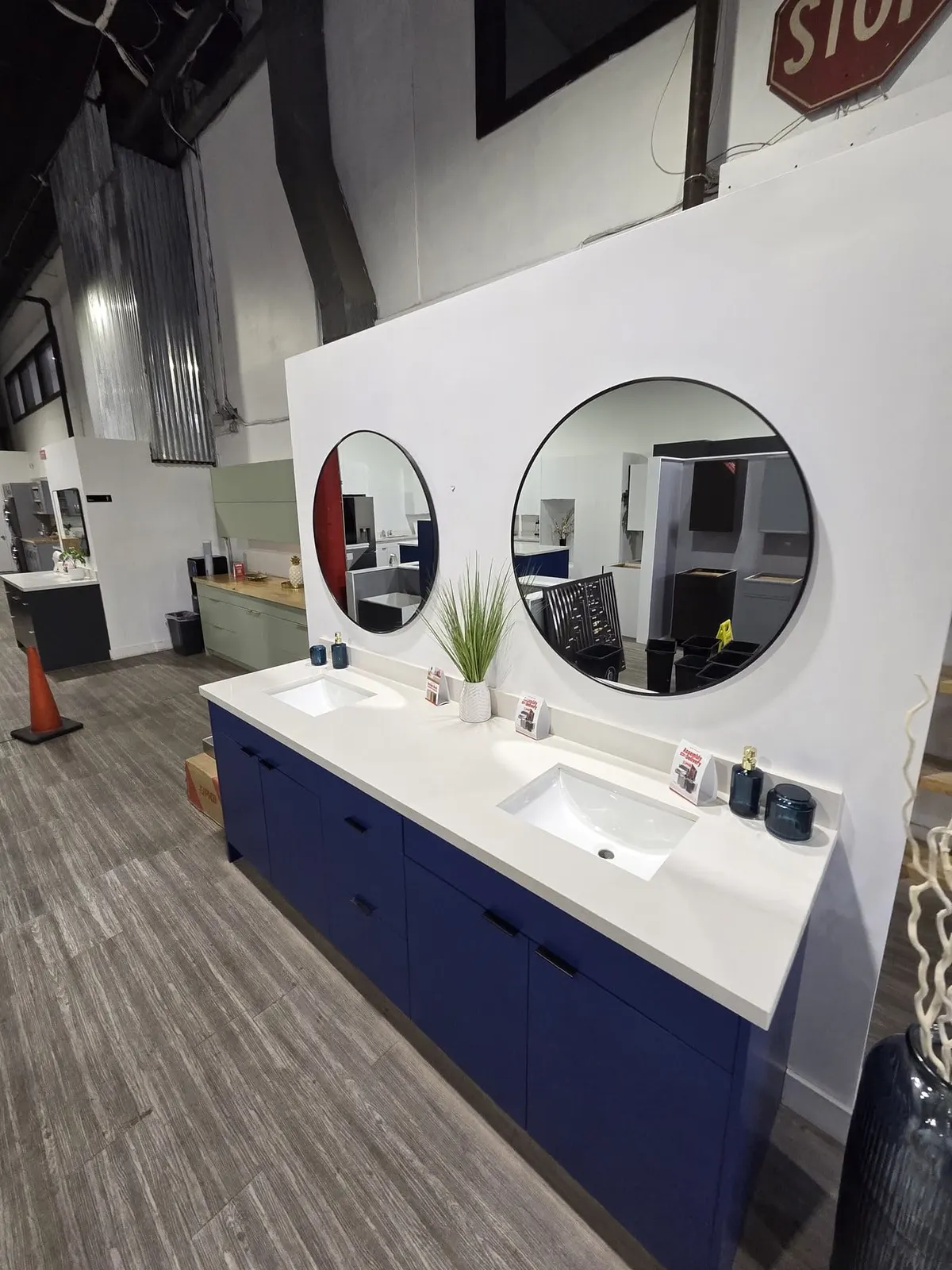
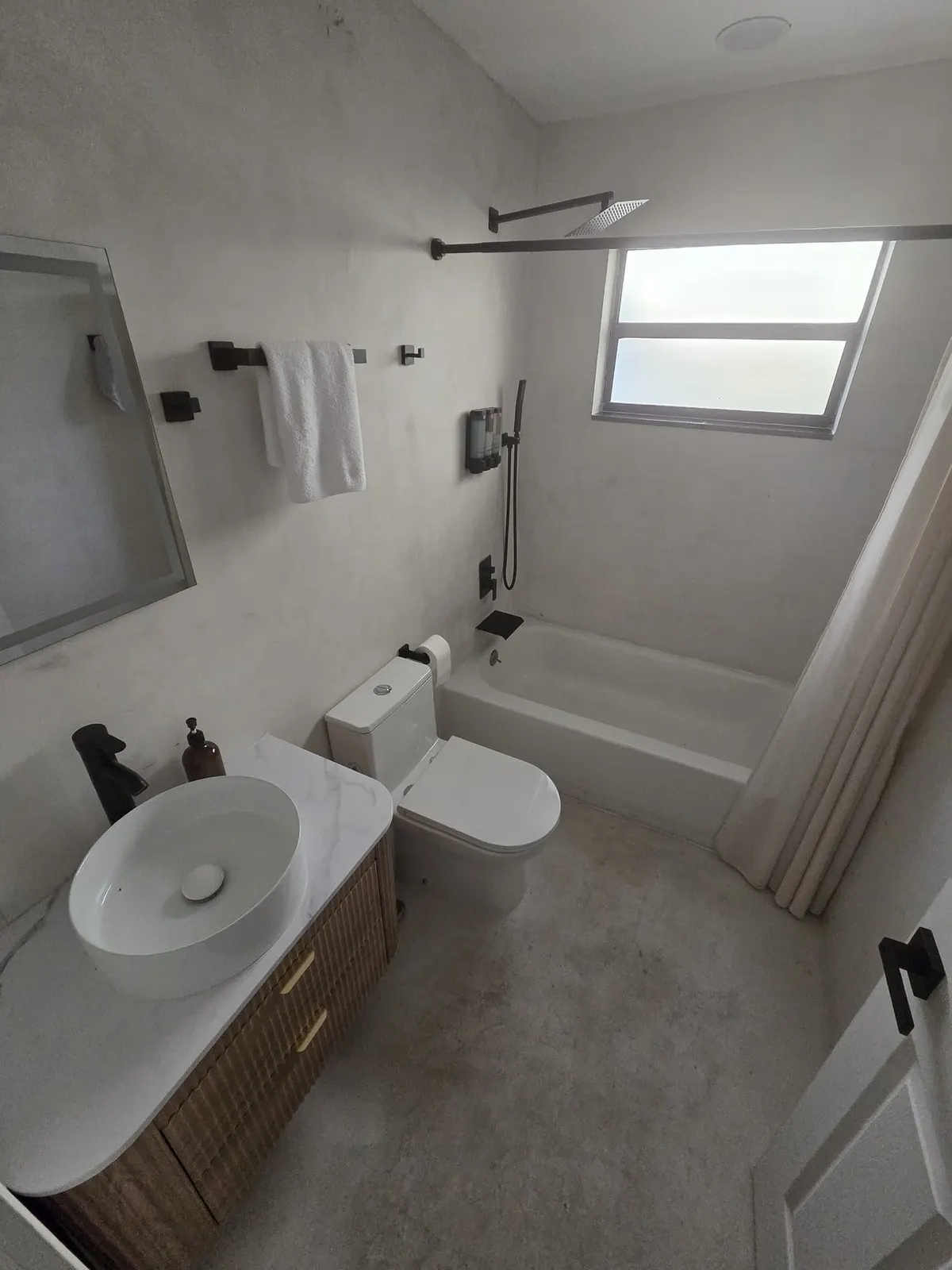
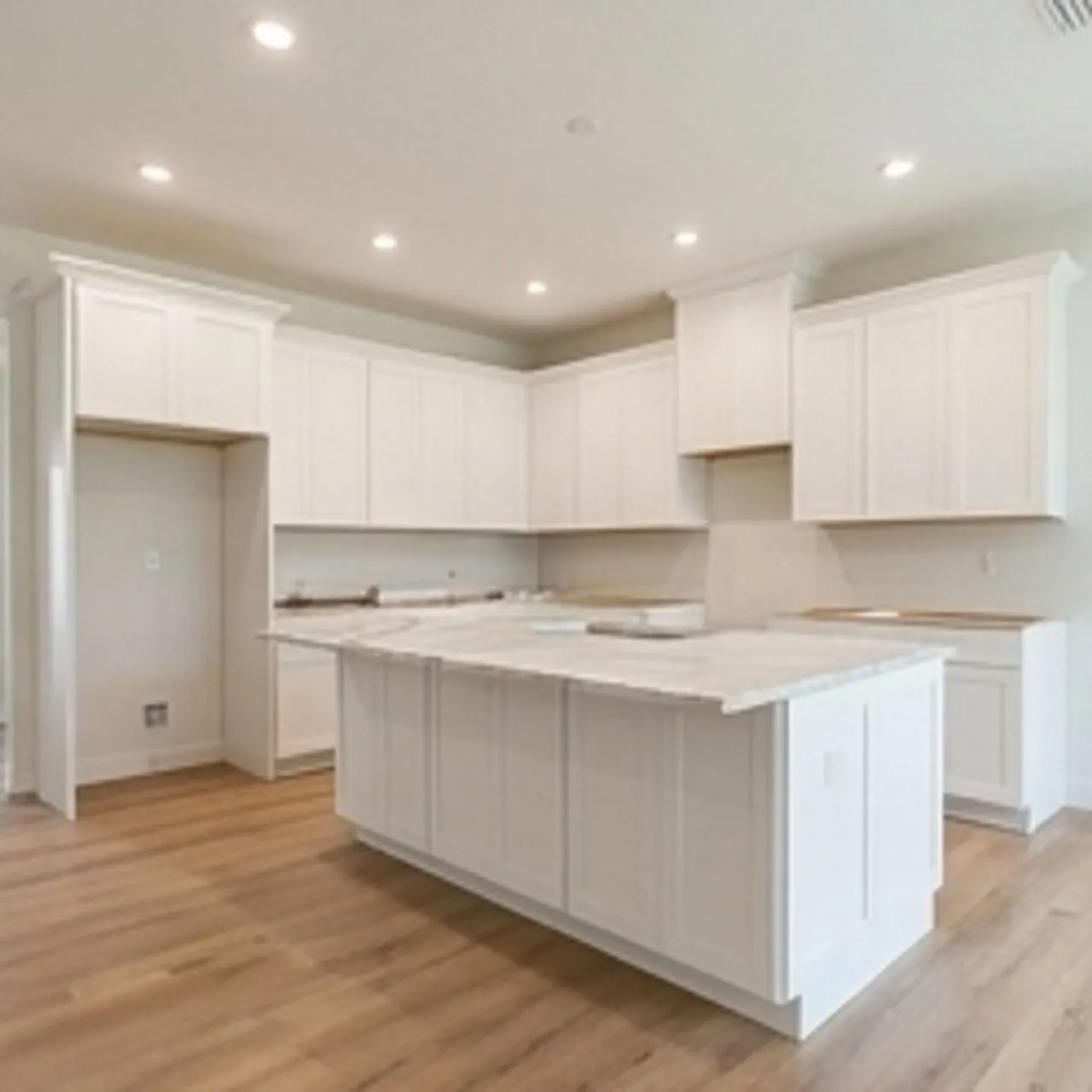
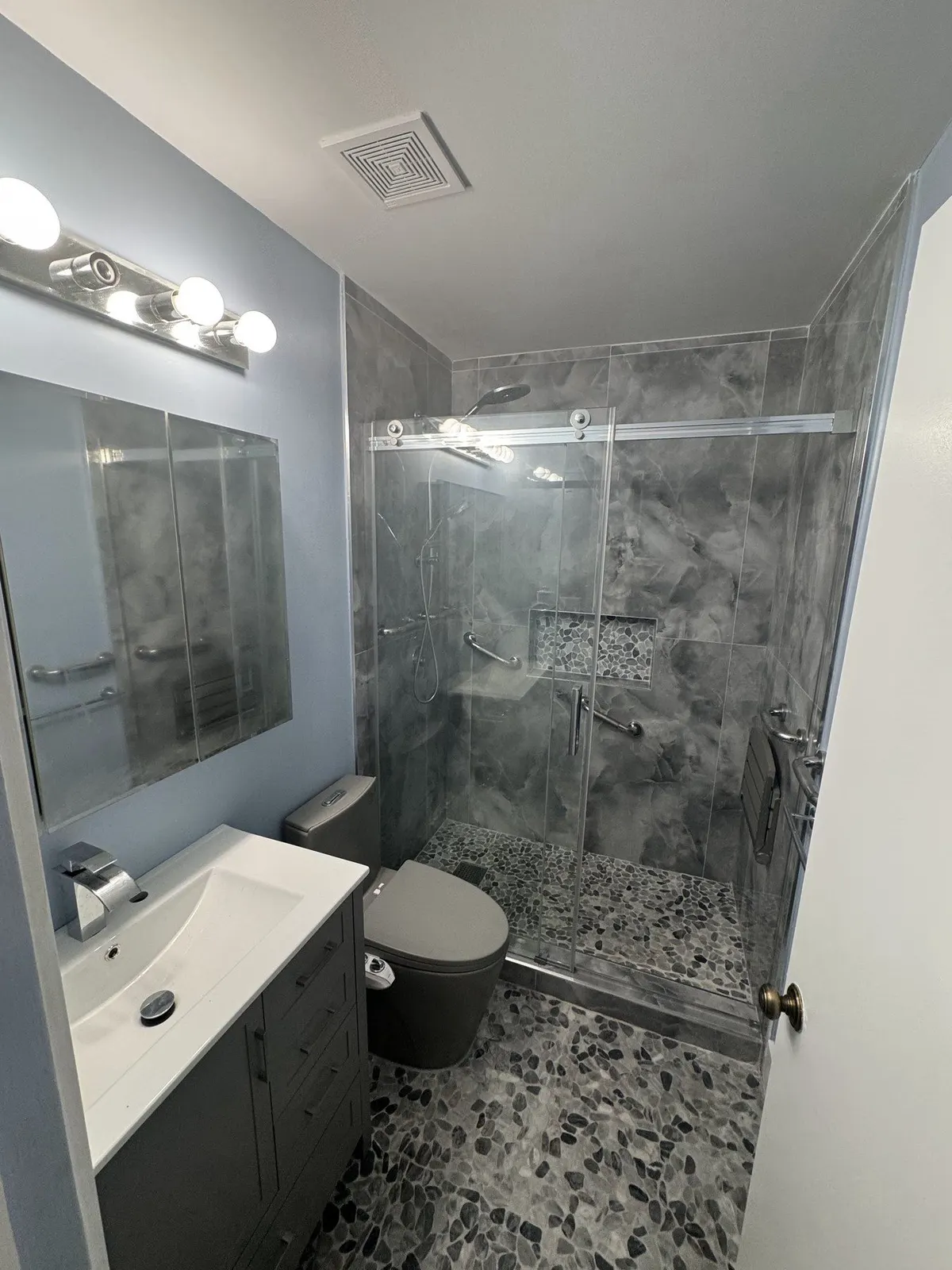
A full remodel is more than new tile and a vanity. When Miami Bath Kitchen & Tile takes on a bathroom renovation or a kitchen renovation, the work usually covers demolition down to the studs or block, plumbing and electrical updates, new wall board and waterproofing, tile installation, cabinetry and counters, fixtures, lighting and the final trim and caulk. Smaller jobs such as a tub-to-shower conversion, a new vanity or a kitchen backsplash follow the same steps on a smaller scale.
Typical phases and timelines
- Visit and measurements. We look at the space, check what is behind the walls where we can, and talk about layout, finishes and budget.
- Selections and permits. You choose tile, fixtures, cabinets and counters. If plumbing or electrical work changes, the permit is pulled before demolition starts.
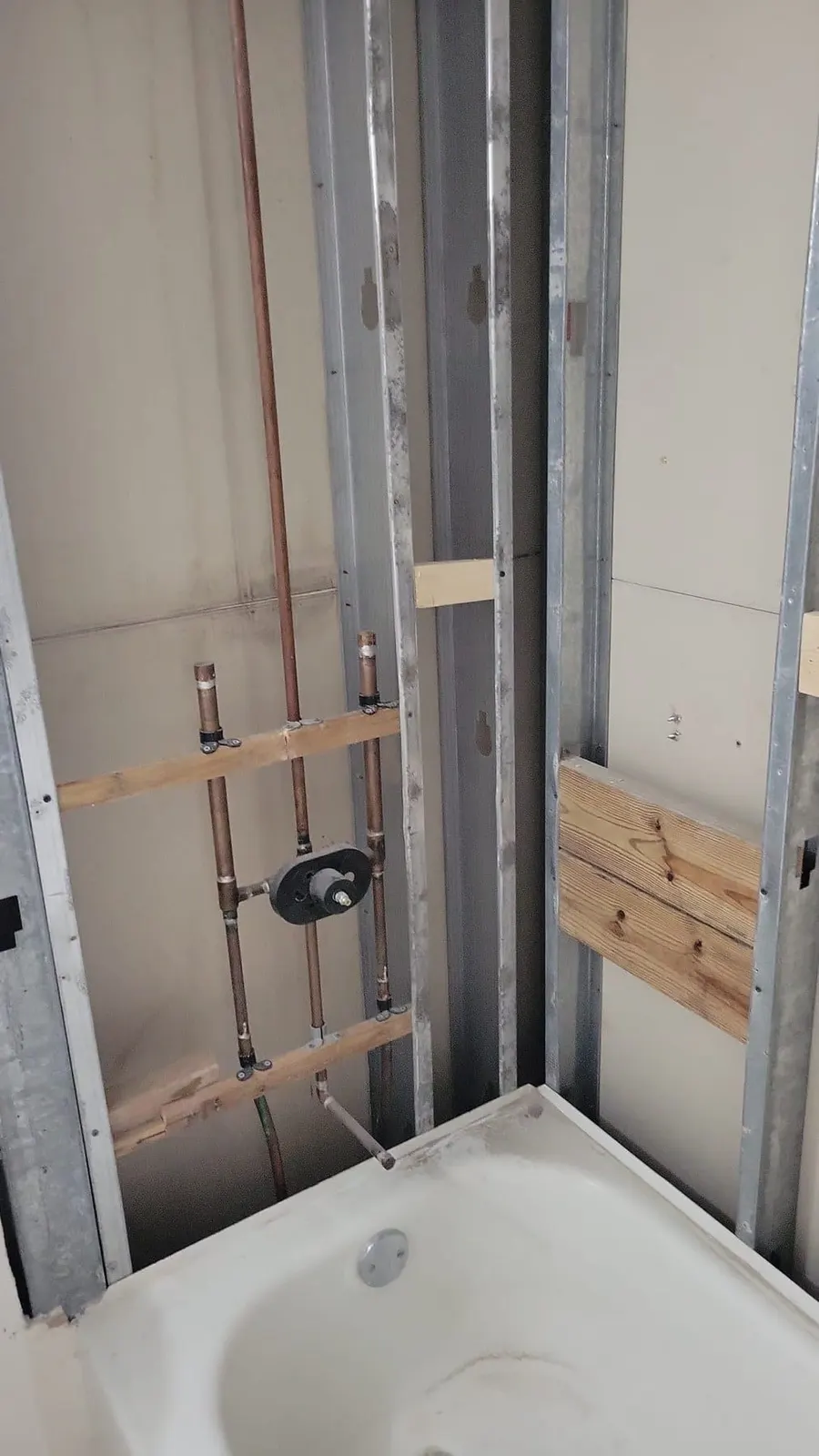
- Demolition and rough-in. Old finishes come out, drains and supply lines are moved or replaced, and wiring is updated. Inspections happen at this stage when a permit is required.
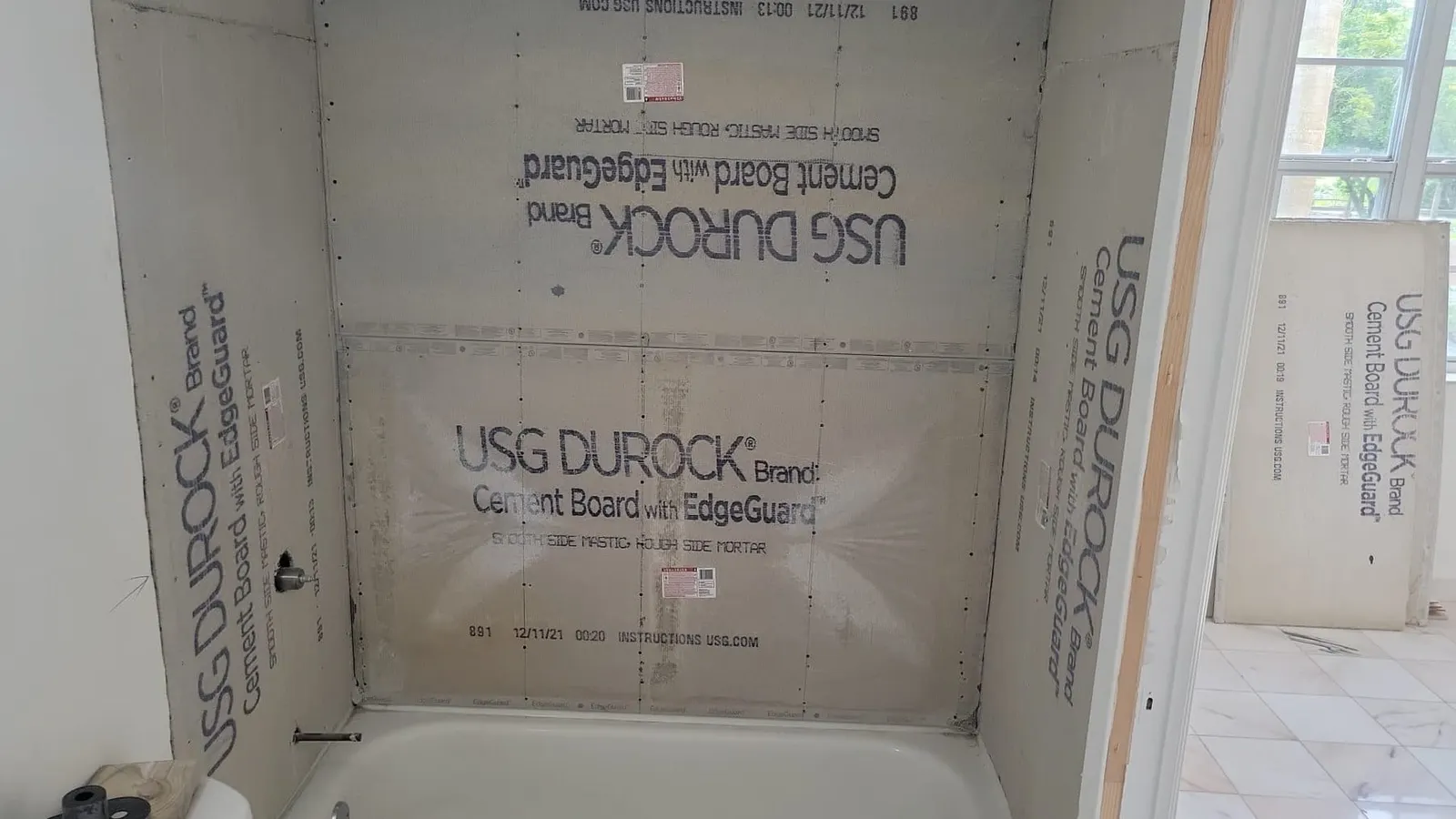
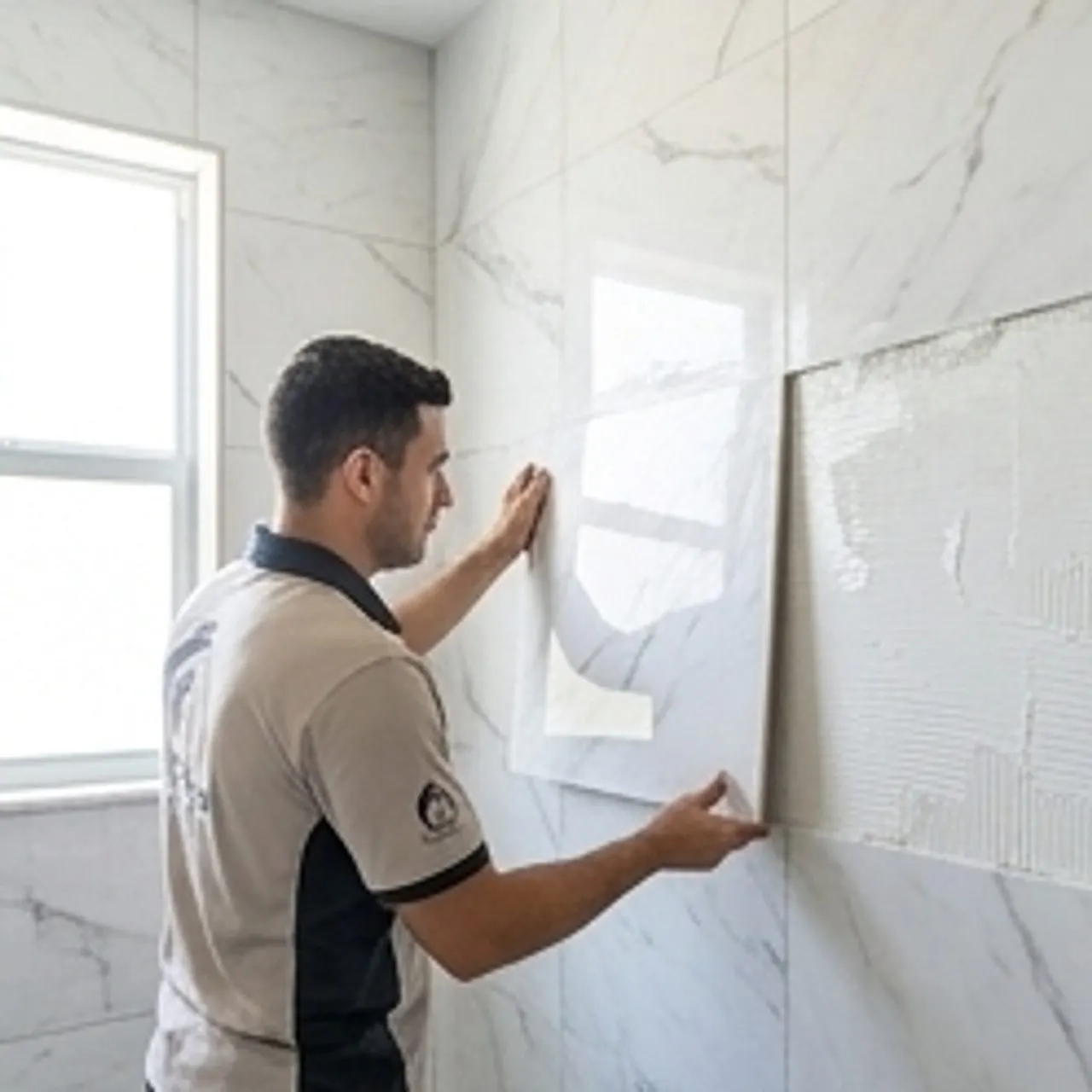
- Waterproofing, tile and surfaces. Showers are waterproofed and flood-tested, then tile, cabinets and counters go in.
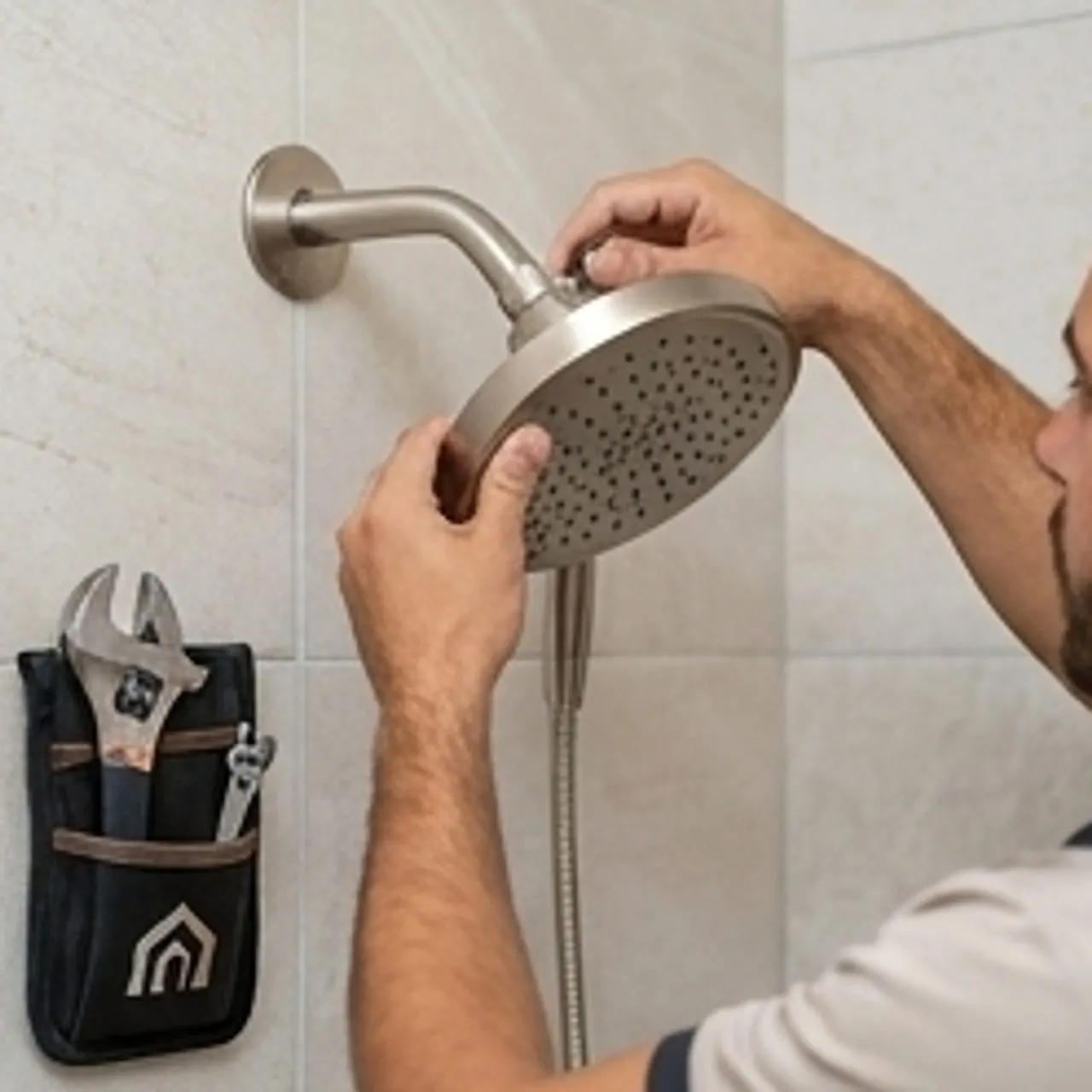
- Fixtures, finish and walkthrough. Fixtures, glass, hardware and trim are installed and we walk the space with you.
A straightforward bathroom often takes a couple of weeks of on-site work; a kitchen with new cabinets and counters usually takes longer because counters are templated after the cabinets are set. Custom glass, special-order tile and inspection schedules are what most often move the date.
Waterproofing and tile for Miami humidity
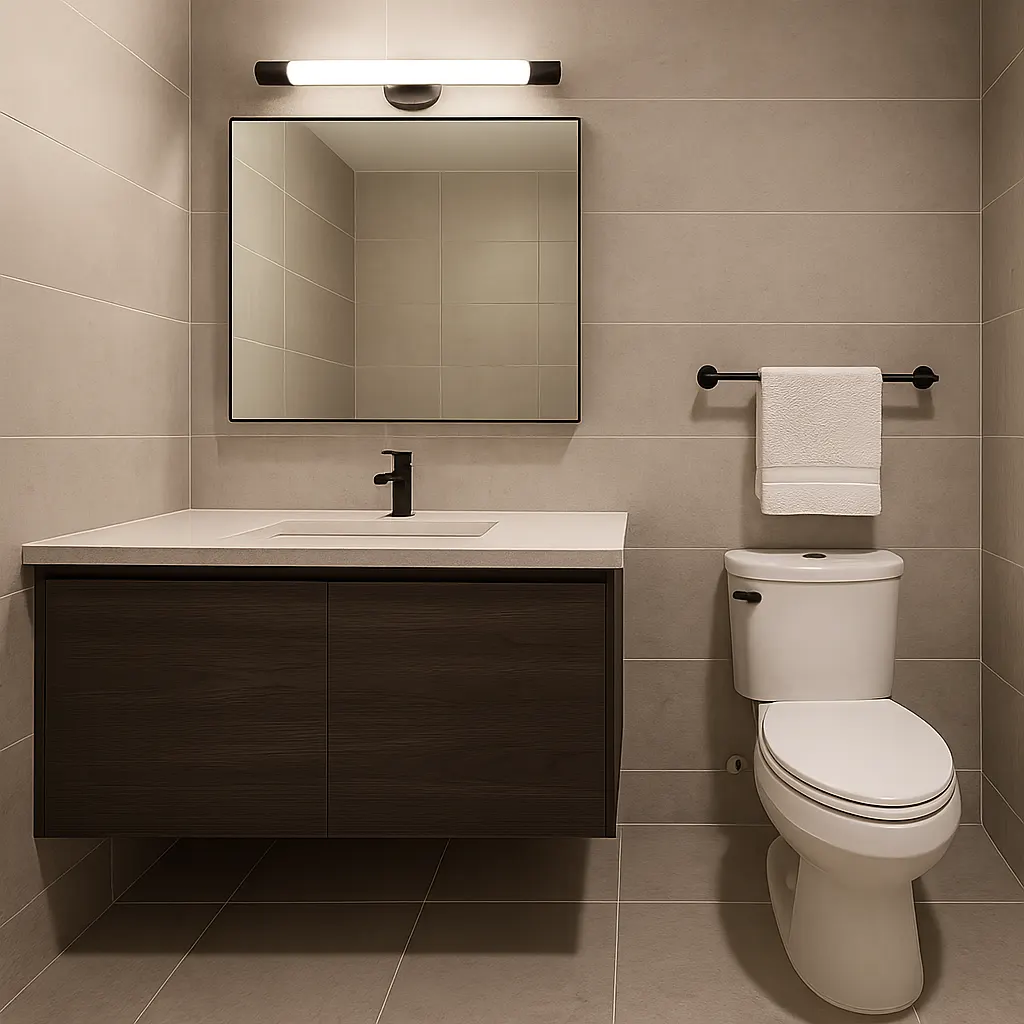
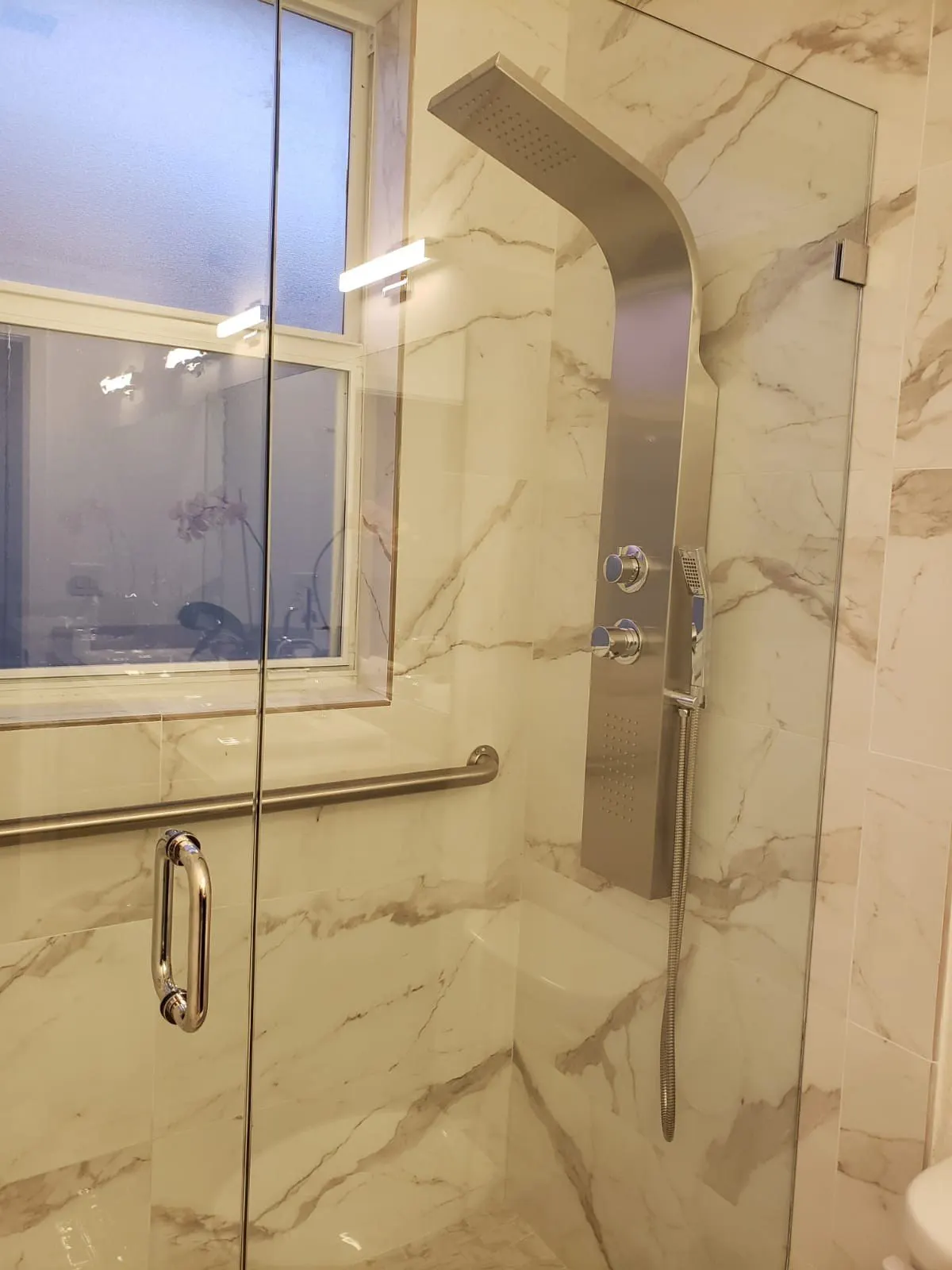
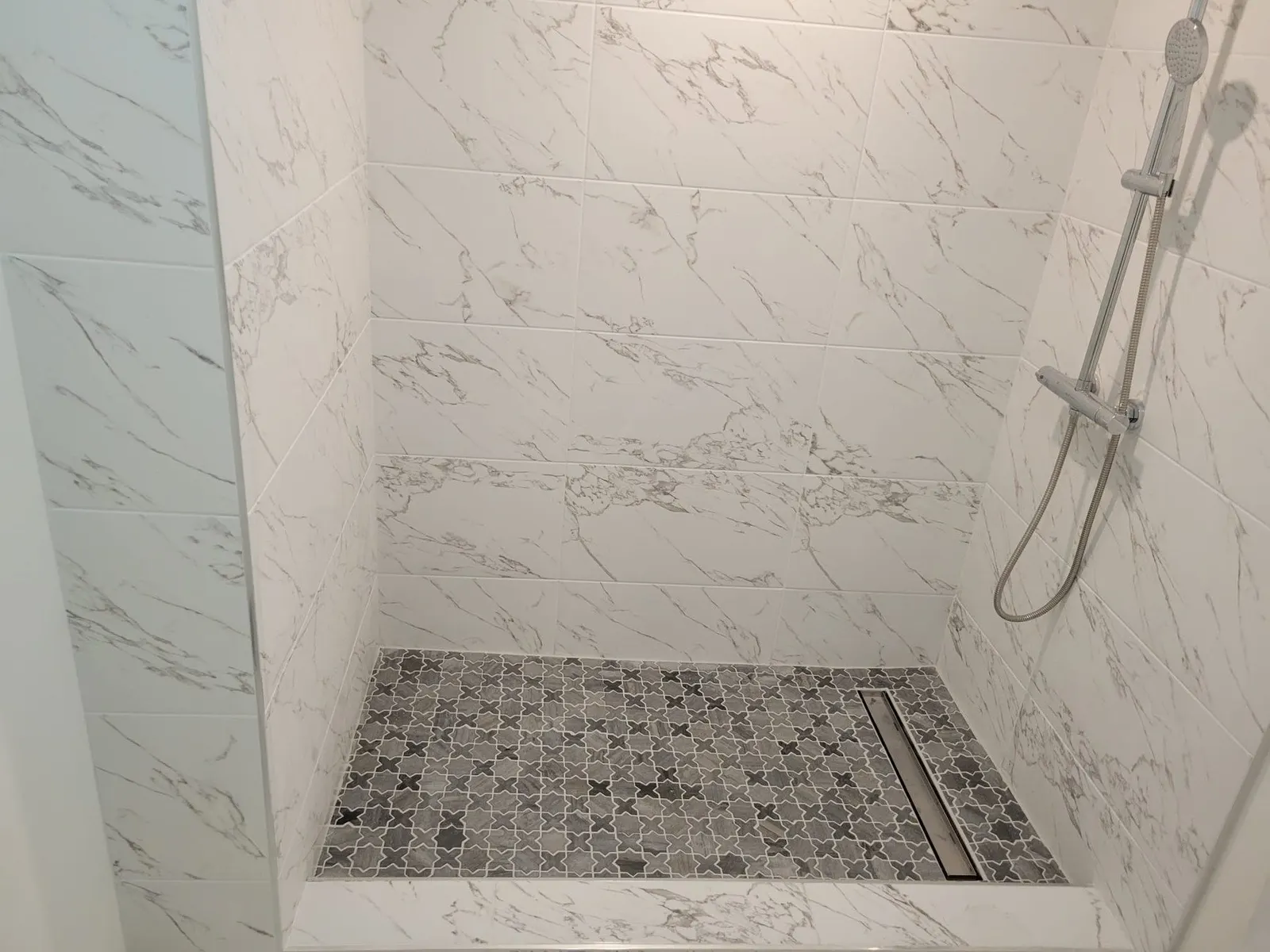
South Florida air stays humid most of the year, so moisture control matters as much as the look. In wet areas we use a sheet or liquid-applied waterproofing membrane over cement board or foam board, slope shower floors to the drain, and seal changes of plane properly. Porcelain tile is a good default for floors and showers because it absorbs very little water; large-format porcelain means fewer grout lines, and epoxy or high-performance grout resists stains and mildew better than basic cement grout. A bath fan vented outside is worth adding if the room does not have one. See our custom showers and flooring pages for more on materials.
Condo vs. house remodels
Condos (common in Brickell, Edgewater and Miami Beach) usually need written approval from the association before work starts. Most buildings ask for the contractor's certificate of insurance, set work hours, limit noise on certain days, and require elevator reservations and floor protection. Shut-offs for water often have to be scheduled with building staff, and some associations require sound-control underlayment under new hard floors.
Single-family houses give more freedom on schedule and layout, but older homes in Miami and Coral Gables can hide old cast-iron drains, galvanized pipes or uneven floors that need attention once the walls are open.
In both cases, moving plumbing or changing electrical work generally needs a permit from the City of Miami, Miami-Dade County or whichever city the property is in. We plan the permit and inspection steps into the schedule so they don't come as a surprise.
Ready to talk about your project? Request a free estimate or call (786) 882-3422.